

One Table. Many Lives.
There was a time when furniture had a single purpose.
A dining table belonged to the dining room. A desk belonged to the office. Every object had its place, just as every room had its function.
Today, those boundaries are fading.
Not every office needs walls.
Sometimes, it begins around the same table where breakfast was served only hours before.
The way we live has changed, and our homes have changed with it.
Living Differently
Hybrid work has transformed more than our schedules.
It has reshaped the way we use our homes.
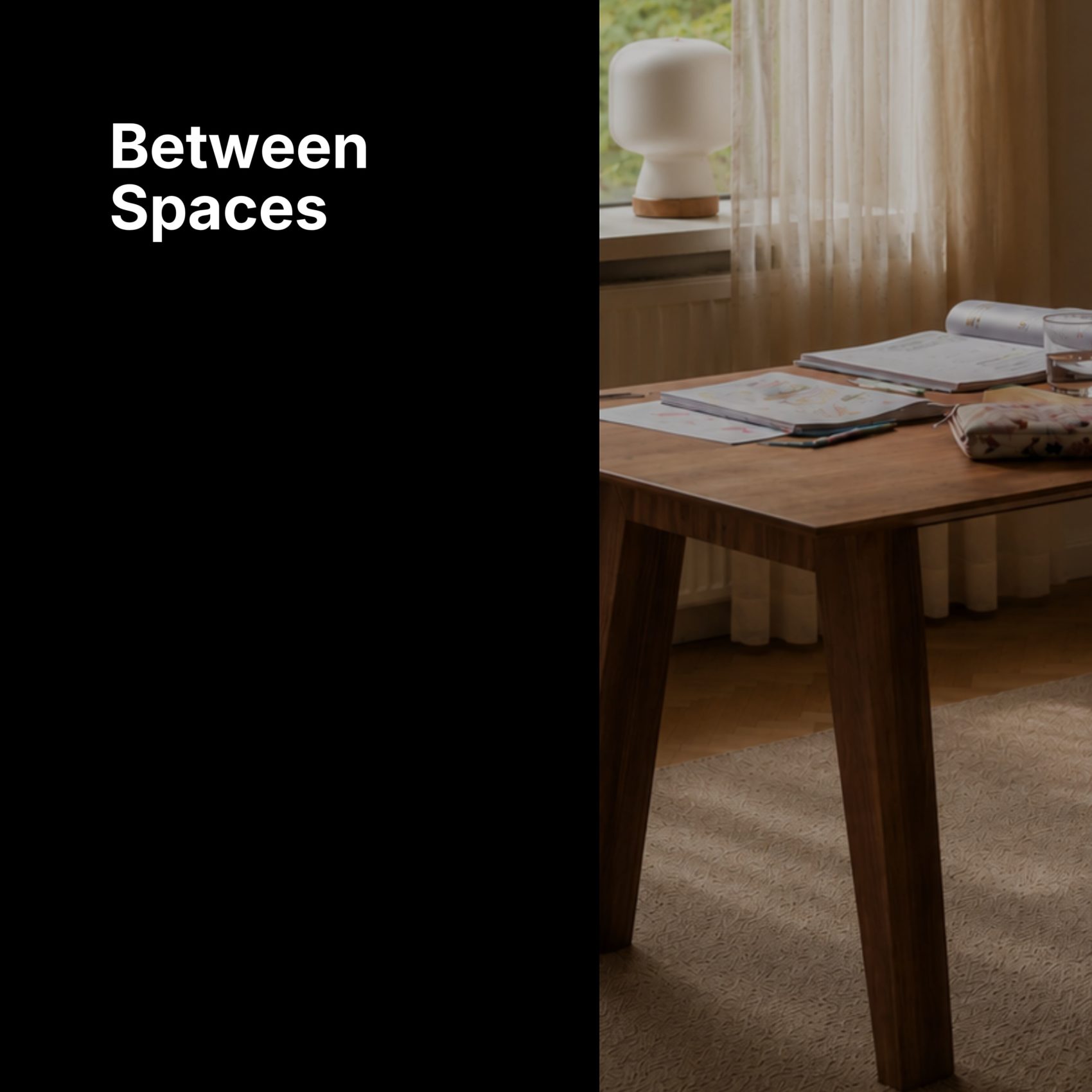
The dining table that once welcomed family dinners now hosts morning meetings. It becomes a workspace during the day, a place for children’s creativity in the afternoon, and returns to the center of everyday life in the evening.
One table. Multiple lives.
Not because the table changes.
Because our lives do.
Designing for Everyday Life
The most successful furniture today is no longer designed for a single activity.
It is designed to move effortlessly between different moments of the day.
Morning meeting. Evening gathering.
The same surface supports ideas, conversations, celebrations, and everyday rituals.
Rather than defining how a space should be used, good design allows it to evolve with the people who use it.

A Design That Adapts
The future of furniture isn’t about creating separate objects for every activity.
It’s about creating pieces that feel equally at home in professional and personal settings.
Quietly adaptable.
Timeless by nature.
Softly adapting to the way we live.
Between Home and Office
Perhaps the future isn’t about separating work from life.
Perhaps it’s about designing objects that belong comfortably to both.
Because the most meaningful furniture doesn’t ask us to choose between living and working.
It quietly supports both.
Work together. Dine together.
Around the same table.
Because design does more than shape furniture.
It shapes how we live, how we work, and how we come together.