

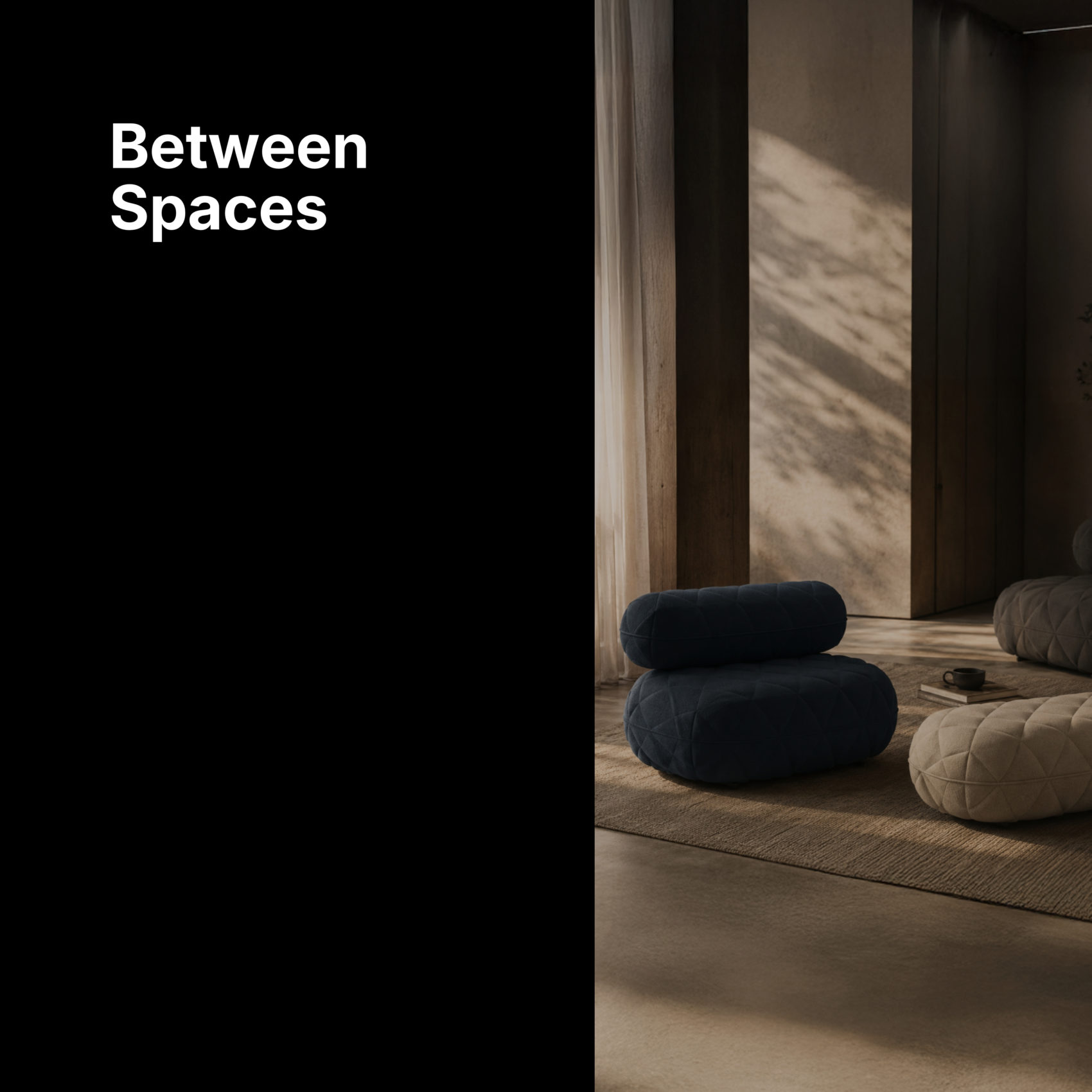
Why the Line Between Home and Office Is Disappearing
Not long ago, the difference between home and office was simple.
Home was where life happened.
The office was where work happened.
The furniture reflected this division. Sofas were designed for comfort and conversation. Desks were designed for focus and productivity. Dining tables belonged to meals, not meetings. Chairs in the office looked nothing like the ones in the living room.
Today, that clarity is disappearing.
Over the last decade — and especially after the global shift to hybrid work — the spaces where we live and the spaces where we work have started to overlap. Kitchens became meeting rooms. Living rooms turned into temporary offices. Cafés transformed into workplaces.
What used to be a clear boundary is now a continuum.
The Rise of Hybrid Living
The idea of the workplace is changing. For many people, work is no longer tied to a single location. It moves between the office, the home, and the spaces in between — airports, cafés, libraries, coworking spaces.
Architecture and furniture design are responding to this shift.
Offices are becoming softer, more informal, and more social. Lounge seating replaces rigid meeting rooms. Work tables resemble dining tables. Acoustic booths create pockets of privacy within open spaces.
At the same time, homes are becoming more structured. Desks appear in living rooms. Lighting becomes more task-oriented. Storage adapts to new routines of work and life.
Home and office are slowly learning from each other.
Furniture Between Two Worlds
Furniture now operates between two worlds: the professional and the personal.
A chair might need to support long hours of focused work, while still feeling comfortable enough to belong in a living space. A table may host a laptop in the morning and a dinner with friends in the evening.
This shift is not only functional — it is cultural.
The objects we live with are adapting to new patterns of behavior. They are becoming more flexible, more modular, and more responsive to changing environments.
Rather than belonging strictly to “home” or “office,” furniture is beginning to belong to life itself.
The Space In Between
Perhaps the most interesting spaces today are not strictly homes or offices, but something in between.
Coworking lounges that feel like living rooms. Libraries that function as workplaces. Hotel lobbies designed as social hubs. Offices that resemble cafés.
These hybrid environments are redefining how we think about productivity, comfort, and collaboration.
And as our lives continue to evolve, so will the objects and spaces that support them.
Because design does more than shaping furniture. It shapes how we live, how we work, and how we connect with one another. Discover solutions by Ersa, designed for evolving ways of living, working, and gathering—from common areas and workplaces to living environments and hybrid settings.