

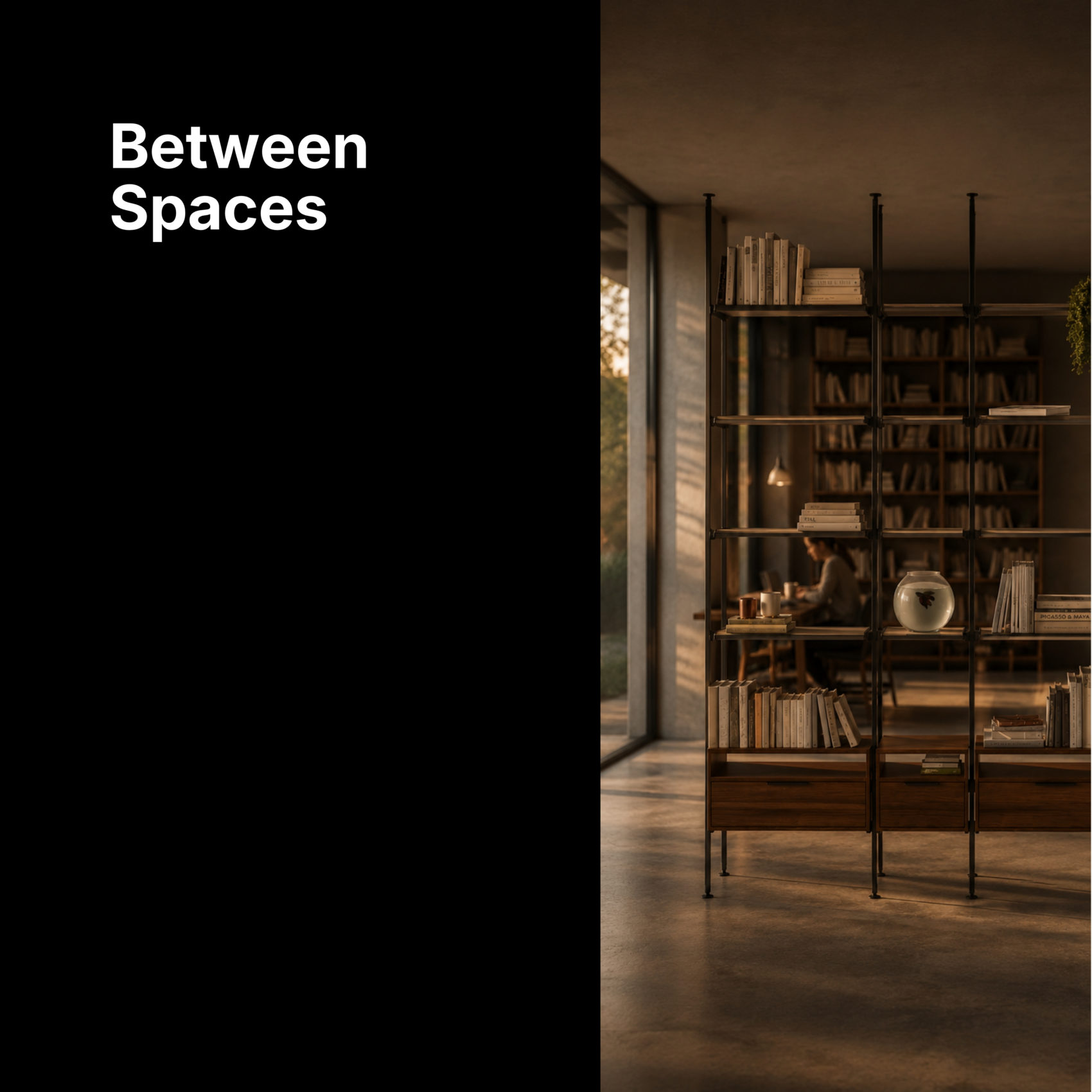
How Libraries Became the New Workspaces
There was a time when libraries were defined by silence.
They were places of study, concentration, and solitude. People went there to read, to think, and to work alone. The architecture reflected this purpose: long tables, individual desks, controlled lighting, and an almost ritualized quietness.
Today, something has changed.
Libraries are no longer just places for books. They have become places for work, collaboration, and community.
A Shift in How We Work
As the nature of work evolves, so do the spaces that support it. Work is no longer confined to offices. It moves between homes, cafés, coworking spaces, universities, and increasingly, libraries.
What makes libraries particularly relevant today is their ability to balance focus and openness. They provide environments where people can work individually while remaining connected to a larger community.
In a world of constant interruptions, this balance has become increasingly valuable.
Architecture of Focus
The spatial logic of a library differs fundamentally from that of a traditional workplace.
Offices are often designed around interaction and movement. Libraries, by contrast, are designed around concentration.

Long communal tables create a sense of collective presence without demanding engagement. Individual seating areas support focused work. Carefully planned lighting, acoustics, and circulation encourage longer periods of attention.
The result is not silence for its own sake, but an environment where focus feels natural.
A New Generation of Libraries
This evolution can be seen in contemporary library projects around the world. Libraries are no longer solely repositories of knowledge; they are becoming social and cultural hubs that support learning, research, collaboration, and everyday work.
A compelling example of this transformation can be found in Türkiye’s Rami Library.
Originally built as an Ottoman military barracks and reimagined as one of Europe’s largest library complexes, Rami represents a new understanding of what a library can be. Beyond its extensive collections and reading rooms, the library functions as a cultural ecosystem where learning, working, and social interaction coexist.
Visitors move between individual study spaces, collaborative work areas, seminar halls, exhibition spaces, workshops, and cultural events throughout the day. The library regularly hosts talks, exhibitions, educational programs, language workshops, children’s activities, and interdisciplinary events, transforming the act of reading into a broader cultural experience.
This diversity of use required a spatial approach that extends beyond traditional library furniture. As part of the project, Ersa contributed to the design of reading rooms, conference and seminar spaces, living areas, common areas, and the custom-designed five-metre-high bookshelf systems that help define the identity of the library. Rather than supporting a single activity, the furniture system was designed to accommodate multiple modes of engagement—from focused study and research to public events and community gatherings.
What makes Rami particularly interesting is not only the scale of the project, but its ability to bring together functions that were once separated. Library, workshop, event venue, study centre, exhibition space, and public gathering place exist within the same environment. The result is a space that reflects how contemporary knowledge is created—not in isolation, but through interaction, participation, and shared experience.
These spaces reflect a broader shift in how libraries are designed: not around books alone, but around people.
Between Public and Personal
One of the most interesting qualities of contemporary libraries is their ability to exist between public and personal space.
They are open to everyone, yet they offer moments of individual focus.
You can work alone while feeling part of a larger environment. You share space without sacrificing concentration.
This delicate balance is something many workplaces continue to pursue.
A New Role for Familiar Spaces
The transformation of libraries reflects a larger change in the way we think about space. Places are no longer defined by a single purpose. They adapt to different modes of working, learning, and gathering.
Libraries are not becoming offices.
They are becoming something more flexible: environments that support a wide spectrum of human activity.
Perhaps this is why they feel increasingly relevant today.
Because the most successful spaces are no longer defined by what they contain.
They are defined by what they enable.
Because design does more than shape furniture. It shapes how we live, how we work, and how we connect with one another.