

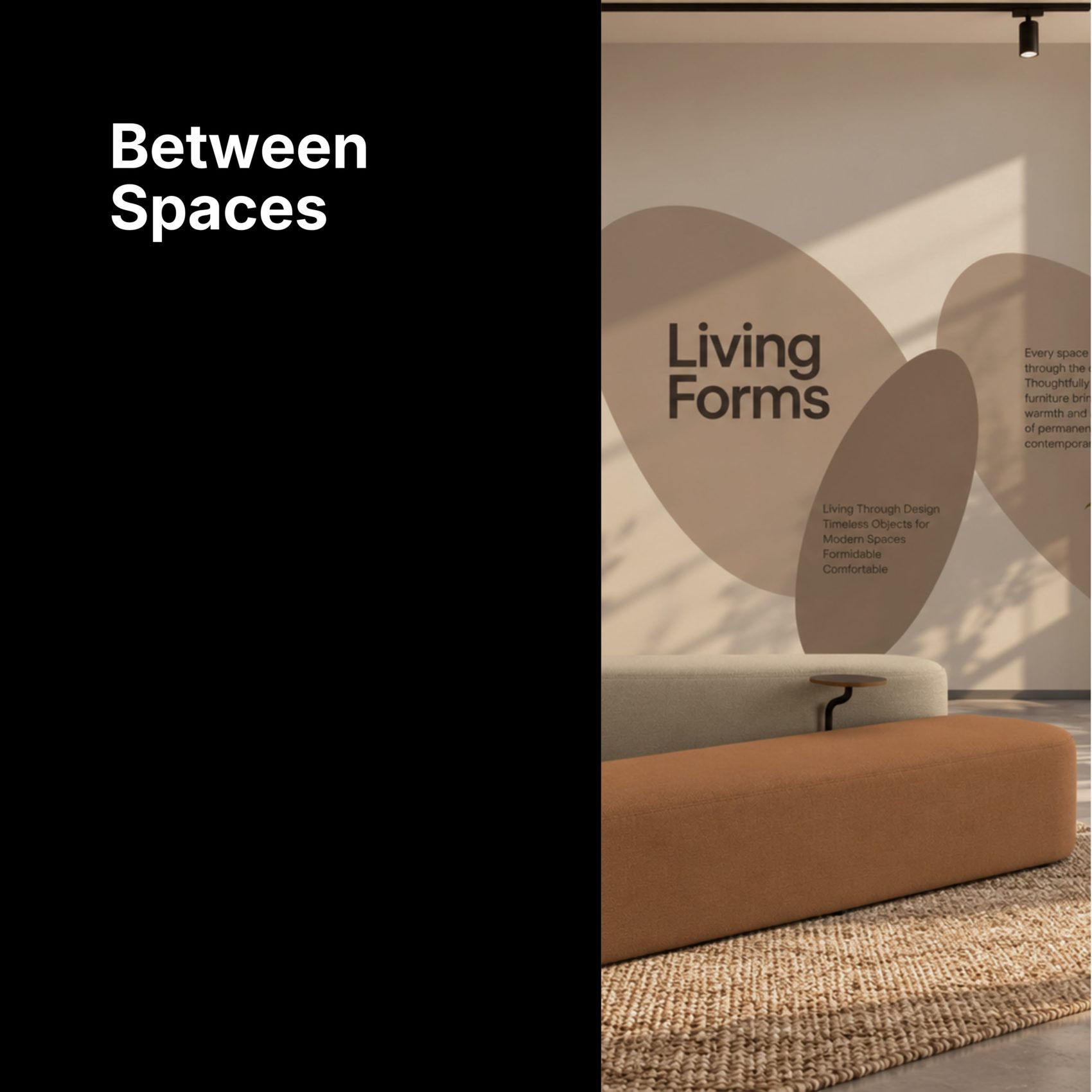
What happens when shared spaces become more than places we simply pass through?
Some spaces are defined by what we do in them. We work at a desk, dine around a table, or rest in a lounge. Others are less defined. They exist between destinations, functions and moments.
Lobbies, lounges, waiting areas, libraries, cafés, corridors and informal meeting points all belong to this second category. Once considered secondary to the spaces around them, today these shared environments are becoming increasingly important to the way we experience architecture.
They are the places where we pause between meetings, exchange a few words with someone we know, work for twenty minutes before moving on, or simply find a moment for ourselves.
They are the spaces we share.
From Passing Through to Staying
For a long time, common areas were largely designed around circulation. Their purpose was to connect one destination to another.
Today, that relationship is changing.
As the boundaries between work, life, learning and social interaction become more fluid, the spaces between them are taking on new roles. A lobby can become an informal workspace. A waiting area can offer a moment of privacy. A corridor can turn into a place for conversation. A lounge can support everything from an individual pause to an unexpected meeting.
The value of these spaces is no longer measured only by how efficiently people move through them, but also by what becomes possible when they choose to stay.
Some spaces connect places. Others connect people.

Designing for Different Moments
Shared spaces rarely have a single user or a single purpose.
Throughout the day, the same environment may accommodate someone working independently, two people having an informal conversation, a group gathering for a short meeting, or someone simply taking a break.
This requires a different approach to furniture.
Instead of prescribing one way of using a space, furniture can create possibilities: open arrangements that encourage interaction, more enclosed forms that provide privacy, modular systems that adapt to changing groups, and smaller elements that make spontaneous use possible.
The result is not a fixed setting, but an environment capable of responding to different rhythms throughout the day.
Furniture as Part of the Space
In common areas, furniture does more than occupy space. It can help define it.
A curved seating arrangement can naturally create a place to gather. A high-backed seat can establish a quiet space within an open environment. A table positioned between seats can transform a short pause into an opportunity to work or connect.
Without adding walls, furniture can create boundaries. Without defining a specific function, it can suggest new ways of using a space.
At Ersa, this relationship between furniture and its surroundings forms an important part of how we think about shared environments: not as spaces to be filled, but as experiences to be shaped.
Everything That Happens In Between
Perhaps the most meaningful moments in a space are not always the ones we plan.
A conversation after a meeting. A few minutes spent reading while waiting. An unexpected encounter. A quiet moment between two busy parts of the day.
Common spaces provide a setting for these moments precisely because they exist between more clearly defined functions.
And as the way we live, work, learn and gather continues to evolve, these spaces are becoming increasingly important.
Because sometimes, the spaces in between are where connection begins.